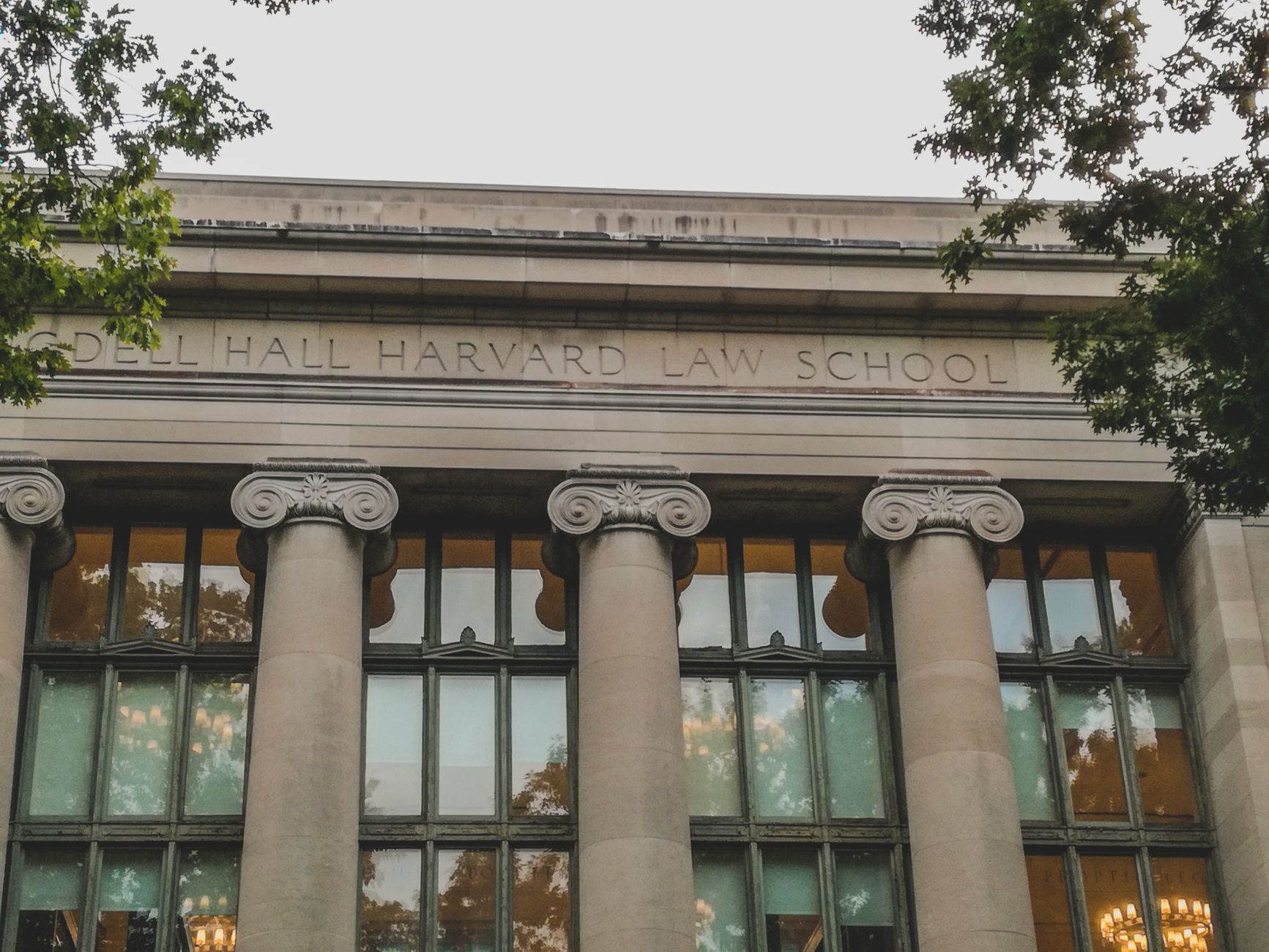
For many aspiring legal professionals, the desire to serve the public good is a driving force behind entering law school. Government service stands as one of the most direct and impactful avenues through which lawyers can shape policy, advocate for civil liberties, enforce regulatory standards, and safeguard the public interest. At Harvard Law School (HLS), the pathways into the public sector are diverse, spanning federal agencies, state attorney general offices, municipal leadership, and legislative committees. However, navigating the vast network of civil service opportunities requires strategic planning, insider knowledge, and proactive engagement with institutional resources.
At the center of this exploratory journey is the Office of Public Interest Advising (OPIA). Serving as the dedicated hub for students pursuing public service, OPIA provides specialized counseling tailored specifically to government careers. Whether a student envisions working as a federal prosecutor through the Department of Justice Honors Program, drafting regulatory policy at the Environmental Protection Agency, or advising local officials on municipal development, OPIA offers personalized one-on-one advising sessions. Advisors help students decipher complex hiring cycles, refine application materials for civil service evaluations, and target opportunities that align with their distinct policy interests.
Beyond traditional advising, HLS offers a wealth of experiential learning environments that allow students to test the waters of government work while still earning academic credit. Through dynamic clinical programs and externships, students frequently gain hands-on exposure to public administration. Programs like the Government Lawyer Clinic and opportunities embedded within state or federal offices place students side-by-side with practicing government attorneys. These immersive experiences demystify the day-to-day realities of public service, helping participants build tangible legal skills such as regulatory drafting, administrative litigation, and statutory interpretation long before graduation.
Understanding the structural pipelines into government is another essential step. Many federal and state agencies utilize competitive honors programs or postgraduate fellowships to recruit emerging legal talent. OPIA hosts a variety of informational panels, webinars, and networking events featuring alumni and recruiters from entities such as the Federal Trade Commission, the Consumer Financial Protection Bureau, and regional public defenders and prosecutors. These sessions provide transparent insights into civil service hiring timelines, background checks, and the essential qualifications required to stand out in a competitive applicant pool.
Equally valuable is the extensive network of HLS alumni currently serving at all levels of government. From Capitol Hill staff directors and federal agency counsels to state solicitors general and municipal city attorneys, Harvard graduates maintain an enduring presence in public administration. Students are consistently encouraged to leverage alumni mentorship directories and informal informational interviews to learn about the culture, work-life balance, and long-term career mobility associated with various branches of public service.
Embarking on a career in government is both a profound commitment to civic duty and an opportunity to take on substantive responsibility early in a legal career. For Harvard Law students, the journey does not have to be undertaken alone. By taking full advantage of campus resources, advisory networks, and clinical offerings, emerging lawyers can thoughtfully chart a course toward a fulfilling and influential career in the public sector.
