
World War Jihad?
How a U.S.–Israel–Saudi–Iran Confrontation Could Spiral Into a Global Crisis
The language around the current Middle East crisis has become increasingly dramatic — phrases like “new Axis of Evil,” “holy war,” “global jihad,” and “World War III” dominate online discourse.
But beneath the rhetoric lies a serious geopolitical question:
Could a U.S.–Israel–Saudi Arabia confrontation with Iran trigger a chain reaction that pulls in Russia, China, North Korea, extremist groups, and regional flashpoints — turning a regional war into a global one?
This investigative analysis separates inflammatory narratives from structural risk realities — and outlines the plausible escalation paths.
⚔️ The Core Conflict: U.S.–Israel vs Iran
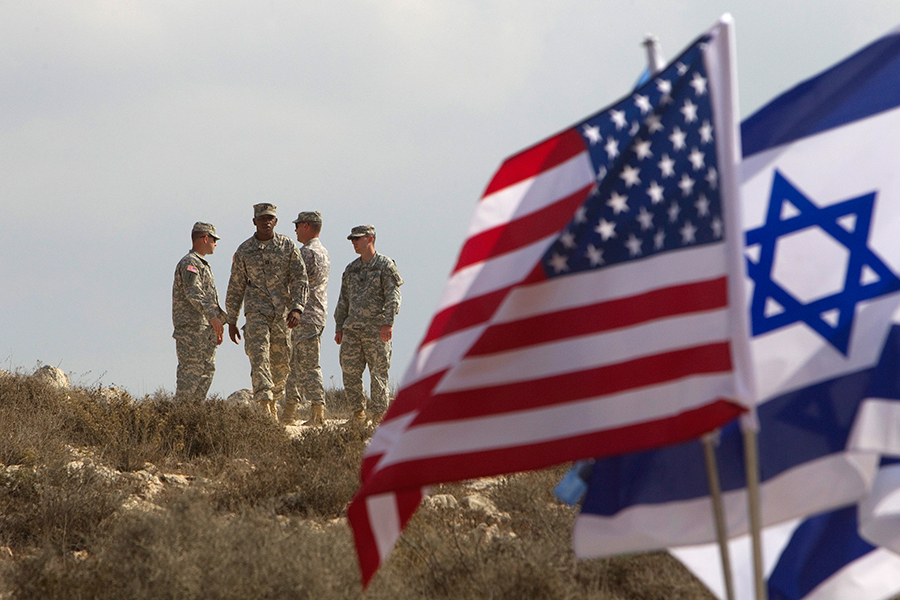

The current crisis centers on:
-
Alleged Israeli and U.S. pre-emptive strikes on Iranian military and nuclear facilities.
-
Iranian retaliation through missile, drone, and proxy operations.
-
Saudi Arabia caught in the middle — historically opposed to Iran but cautious about open war.
The strategic stakes:
-
Iran’s nuclear capability.
-
Israel’s security doctrine of pre-emptive deterrence.
-
U.S. military credibility in the Middle East.
-
Saudi Arabia’s balancing act between Washington and regional stability.
🔥 The “Axis of Evil” Narrative
The phrase “Axis of Evil” was first popularized by George W. Bush in 2002 to describe Iran, Iraq, and North Korea.
Today, some commentators invert the phrase — accusing the U.S., Israel, and Saudi Arabia of forming a destabilizing bloc through:
-
Pre-emptive military action.
-
Regime-change rhetoric.
-
Targeted assassinations of Iranian commanders.
-
Maximum-pressure sanctions.
However, framing it purely as ideological evil obscures the strategic drivers:
-
Deterrence.
-
Regional hegemony.
-
Domestic political pressures.
-
Energy security.
Wars rarely begin from ideology alone. They emerge from power competition, miscalculation, and fear.
🧨 Escalation Scenarios: How This Could Become World War III
Below are structured, realistic escalation pathways — separating credible geopolitical risks from speculative catastrophe fiction.
1️⃣ Leadership Assassination Shockwave
If Iran’s Supreme Leader Ali Khamenei were killed in a strike:
-
Massive internal unrest in Iran.
-
Hardliner Revolutionary Guard takeover.
-
Calls for religious retaliation (fatwa rhetoric).
-
Proxy attacks globally.
However:
Iran’s military leadership historically acts strategically, not suicidally. Even when senior commanders were killed in the past, responses were calibrated — not apocalyptic.
2️⃣ Strait of Hormuz Closure
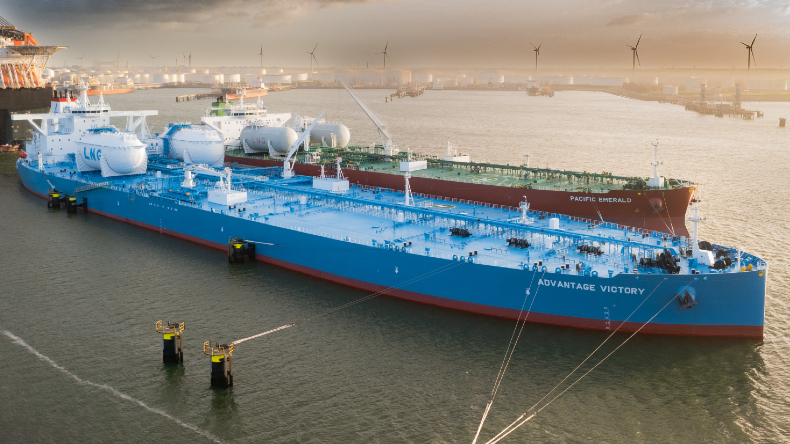

If Iran blocks the Strait:
-
20–30% of global oil disrupted.
-
Oil prices could spike above $150–$200 per barrel.
-
Western navies move in.
-
Direct naval confrontation possible.
This is one of the most realistic global-impact triggers.
3️⃣ Russia Expands War in Ukraine Simultaneously
If Vladimir Putin launches a massive conventional strike (not nuclear):
-
Europe diverts focus.
-
NATO stretched thin.
-
U.S. forced to manage two theatres.
Global tension multiplies when major powers fight in parallel crises.
4️⃣ China Moves on Taiwan
If Xi Jinping sees U.S. distraction and pressures Taiwan:
-
Pacific war risk rises.
-
U.S. naval forces split.
-
Japan and Australia drawn in.
This would convert a Middle East war into a truly global confrontation.
5️⃣ North Korea Escalation
If Kim Jong Un tests or launches missiles amid chaos:
-
South Korea mobilizes.
-
U.S. forces strained.
-
Regional panic spreads.
North Korea often exploits global distractions.
6️⃣ Terrorist Coalition Fantasy vs Reality
Groups like:
-
ISIS
-
Al-Qaeda
-
Taliban
Are ideologically fragmented.
Iran is Shia.
ISIS and Al-Qaeda are Sunni extremists who historically oppose Iran.
A unified “Islamic war coalition” is extremely unlikely due to sectarian rivalry.
7️⃣ Sleeper Cell Attack on Western Soil
High-profile assassination or bombing (e.g., at the UN, a political figure, or diplomatic target):
-
Would provoke massive retaliation.
-
Could trigger domestic emergency laws.
-
Escalate into direct war declaration.
This is possible — but intelligence agencies monitor such threats constantly.
8️⃣ Nigerian Religious Radicalization Spillover
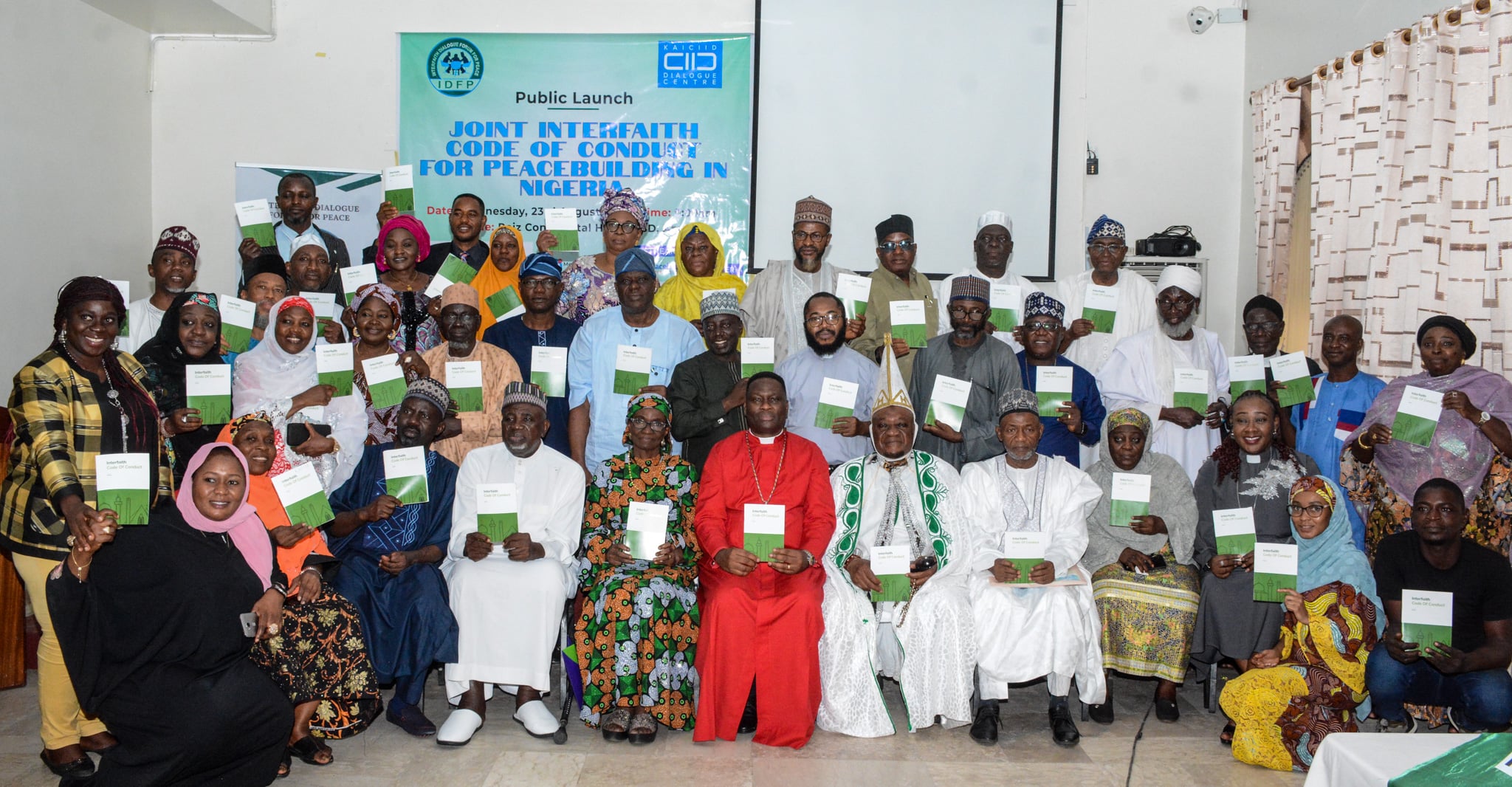
In Nigeria:
-
Iran has limited but symbolic religious influence.
-
Some extremist rhetoric could surface if a major Iranian religious figure were killed.
-
However, Nigeria’s Muslim population is diverse and not monolithic.
Most Nigerian Muslims are not aligned with Iranian political theology.
Escalation would likely remain rhetorical — unless exploited by fringe extremist groups.
🧠 Do Westerners Misunderstand Islamic Devotion?
It is important to avoid generalizations.
Yes:
-
Martyrdom ideology exists in some extremist interpretations.
-
Religious symbolism carries deep emotional weight.
But:
-
1.9 billion Muslims are not a unified political bloc.
-
State actors like Iran behave strategically.
-
Suicide bombing is rejected by most Muslim scholars globally.
Political Islam ≠ Global suicidal war machine.
🚨 What Is Most Likely?
Most likely outcome:
✔ Limited regional war
✔ Proxy escalation in Lebanon, Iraq, Yemen
✔ Oil market volatility
✔ Diplomatic pressure for ceasefire
✔ Cyber warfare between states
Least likely:
✖ Coordinated global jihad coalition
✖ Simultaneous China-Russia-Iran-North Korea mega-alliance invasion
✖ Instant World War III nuclear exchange
🧭 The Real Danger
The true risk is not a cinematic apocalypse.
It is:
-
Miscalculation.
-
Accidental strike.
-
Overreaction.
-
Domestic political pressure forcing escalation.
-
Leaders trying to avoid appearing weak.
World wars historically begin not from grand ideological plans — but from cascading misjudgments.
Here’s a deep-dive investigative analysis of the rapidly escalating US–Israel–Iran conflict (March 2026) — framed in terms of global war risk, chain-reaction scenarios, and the geopolitical tinderbox that could trigger much wider conflagrations.

Al Jazeera

Al Jazeera

iss.europa.eu

Al Jazeera

Reuters

Atlantic Council

Reuters

Reuters
⚔️ THE CURRENT WARFRONT: US & ISRAEL VS IRAN
The conflict ignited on February 28 2026 when U.S. and Israeli air and missile strikes hit strategic Iranian targets — including weapons facilities and command centers — marking the most significant military assault on Iran in decades.
Iran has responded with extensive offensives:
-
Drone and missile barrages targeting Israel and U.S. bases across the Gulf.
-
Strikes hitting U.S. diplomatic missions in Saudi Arabia and other Gulf states.
-
Allied groups like Hezbollah in Lebanon launching missile attacks on Israeli territory.
Casualties are mounting in Iran and across multiple Middle Eastern states, threatening swift regional escalation.
Energy markets and airspace are in chaos, with the Strait of Hormuz effectively closed, unnerving global supply chains.
🌍 WHY THIS MATTERS: GLOBAL WAR RISK FACTORS
This is not a localized skirmish. Multiple vectors show how a regional conflict could morph into a global crisis:
🔥 1. Death of Iran’s Supreme Leader — Systemic Shock
Reports indicate Iran’s supreme leader has been killed in the initial strikes — a monumental blow to Tehran’s regime and a psychological shock for millions of Iranians and Shia movements across the region.
Leadership decapitation often radicalizes supporters and can unleash unpredictable retaliation by state and non-state actors.
🛢️ 2. Energy & Economic Turmoil
With oil export routes under threat and Gulf infrastructure targeted, world energy prices have spiked and markets are jittery.
An extended shutdown of key oil corridors like Hormuz would choke 20–30 % of global crude flows — a level not seen since the 1970s oil crises.
Economic pain breeds instability, inflation, and competing national agendas — all classic ingredients for broader conflict.
⚔️ 3. Regional Dominoes: Gulf States & Militias
Countries like Saudi Arabia, Qatar, Kuwait, and the UAE have already condemned Iranian attacks and summoned Tehran’s diplomats.
Proxy forces — Hezbollah, Kata’ib Hezbollah (Iraq), and Iranian-aligned militias — have entered the battlefield.
Once multiple actors engage independently, wars lose centralized control, increasing unpredictability.
🧨 4. Strikes on U.S. Assets Abroad
Iran has targeted U.S. embassies and military installations, challenging American strategic reach.
Each such attack raises the risk of retaliatory counter-strikes, expanding the war’s geographic scope.
🚀 ESCALATION SCENARIOS: HOW A GLOBAL WAR COULD SPREAD
Here are plausible pathways — from grim certainties to darker “what-ifs” — where this conflict mutates into a wider conflagration:
🧠 Scenario 1: Proxy Conflagration Escalates Across Middle East
If Iran’s allies (Hezbollah in Lebanon, militias in Iraq & Yemen’s Houthis) coordinate — the conflict could engulf multiple states simultaneously:
-
Israel fights on multiple fronts (north in Lebanon, south against Gaza tensions).
-
Yemen opens Red Sea front, disrupting Suez trade routes.
-
Iraq becomes battlefield for militias and U.S. forces.
Such a multi-front war would vastly enlarge the theatre of conflict.
⚡ Scenario 2: Closed Maritime Chokepoints & Global Supply Freeze
Iran’s Revolutionary Guard’s control over the Strait of Hormuz — blocking civilian oil tankers — could force global powers into direct confrontation to reopen shipping lanes.
U.S. or coalition navies operating against Iranian defenses might directly clash with Iranian naval or missile forces. That crosses the threshold from “regional” to “global economic war.”
🪖 Scenario 3: Major Miscalculation — Friendly Fire Triggers Wider Battle
In such crowded battlespaces, even mistaken downing of allied aircraft — as seen previously over Kuwait — could spark wider military responses.
War psychology tells us that accidental engagements often lead to deliberate retaliation.
🇷🇺 Scenario 4: Russia’s Role (Eastern Front Ripple)
While not directly involved yet, Russia’s actions in Eastern Europe — including its war in Ukraine — serve as precedent for unpredictable expansion.
If Russia makes a major offensive move (e.g., conventional strike that greatly intensifies that conflict), Western focus would split, complicating crisis management — raising the odds of simultaneous multi-theatre escalation (e.g., Middle East and Europe).
🇨🇳 Scenario 5: Parallel Flashpoint — China & Taiwan
A serious military event in East Asia — such as a Chinese attempt to seize Taiwan by force — would distract global powers and could lead to alliances being triggered under mutual defense doctrines.
Two world flashpoints simultaneously (Middle East & Taiwan) would put pressure on NATO, U.S. Pacific forces, and global diplomacy.
🧨 Scenario 6: Terrorist Retaliation and “Global Jihad” Narrative
Large-scale wars historically fuel extremist narratives. Hard-line groups — including ISIS, Al-Qaeda, and affiliates — could exploit global anger and recruitment to justify broader attacks against Western targets.
Such groups are not monolithic but have shown resilience and opportunism in past conflicts.
⚠️ Scenario 7: Hate-Driven Violence in Distant Regions
While unverified and speculative, conflicts abroad can inflame local sectarian tensions in distant countries — including countries like Nigeria — leading to violent reprisals and extremist actions loosely inspired by events far from home.
This is not an immediate direct result of state conflict, but a risk that global wars can intensify local conflicts.
🧩 MISUNDERSTOOD DYNAMICS: FAITH, IDENTITY, AND WAR
Scholars warn that Western perspectives often misinterpret the role of religious symbolism, honor, and identity in Middle Eastern geopolitics. For Iran and its supporters, narratives around martyrdom, resistance, and retaliation are deeply embedded in national identity and political legitimacy.
These factors influence group psychology in ways that are not easily predicted by secular geopolitical models.
⚖️ THE REALITY CHECK
Despite sensational scenarios — and parallels to past world wars — experts emphasize that:
-
The war is contained to the Middle East for now, with no confirmed global alliance system pulling in far-flung powers directly.
-
Economic shockwaves are the clearest immediate outcome, not a 1939-style global war.
-
De-escalation channels still exist, and many world leaders are urging restraint.
📌 CONCLUSION
The Middle East has erupted into one of the most dangerous wars in decades. While it is not yet a “Third World War,” it presents a unique global risk profile:
-
Disrupted global energy supply
-
Proxy battles expanding across borders
-
Potential for strategic miscalculations
-
Psychological and symbolic triggers in religion and nationalism
These forces mean this conflict could inadvertently spiral into a far wider conflagration — especially if other global flashpoints ignite simultaneously.