
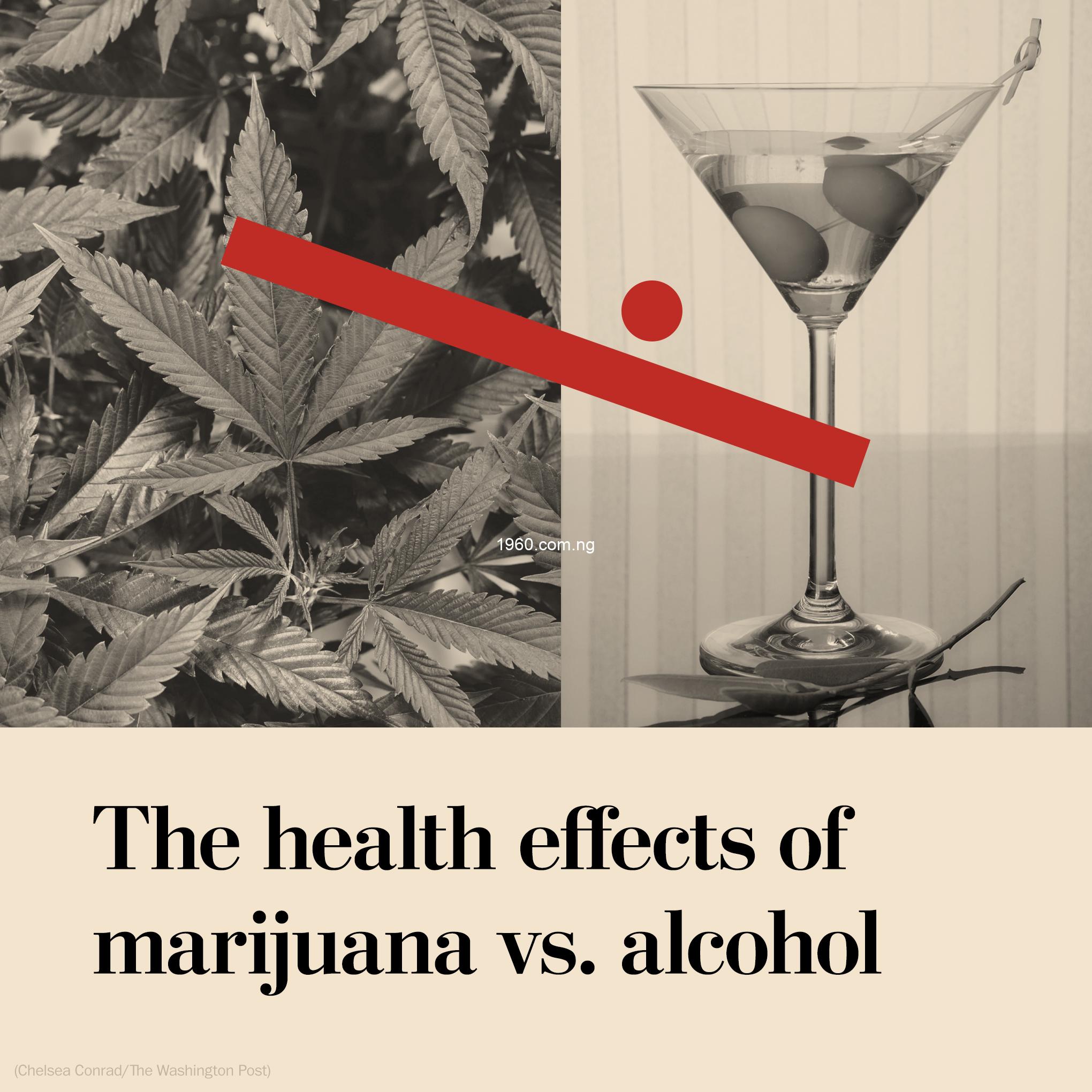
Why is mixing weed and alcohol bad?
Both weed and alcohol are depressant drugs. Their effects suppress, impair and inhibit the brain’s ability to function as it should. When alcohol and weed are mixed together, the effects of each individual substance become exaggerated. This can result in a person losing control of their actions and even overdosing.
Drinking alcohol before smoking weed can ramp up the effects of cannabis’s active ingredient THC. Alcohol’s active ingredient ethanol and cannabis’s active ingredient THC both work on the same parts of the brain that affect our :

Cannabis vs. Alcohol: Which One Makes Men More Violent?
The relationship between substance use and violence has long been a topic of public and scientific debate. While alcohol has been associated with aggression and violence for centuries, cannabis has often been viewed as a more mellowing substance. But how do these substances actually affect men’s propensity for violence? In this article, we will delve into the science, societal context, real-life examples, and psychological factors to explore whether cannabis or alcohol is more likely to contribute to violent behavior in men.
Understanding the Effects of Cannabis and Alcohol
Cannabis: A Relaxant or a Risk?
Cannabis, derived from the Cannabis sativa plant, is often consumed for its calming effects. The primary psychoactive component, THC (tetrahydrocannabinol), interacts with the brain’s endocannabinoid system, influencing mood, perception, and behavior. Studies have shown that cannabis tends to reduce aggression in most users, promoting relaxation and introspection. However, certain factors—such as high doses, underlying mental health issues, or the use of particularly potent strains—can lead to anxiety, paranoia, or psychosis, which might escalate into aggressive behavior in rare cases.
Alcohol: A Known Catalyst for Violence
Alcohol, on the other hand, is a depressant that initially produces feelings of euphoria and lowered inhibitions. It acts on the central nervous system, impairing judgment, self-control, and cognitive function. Numerous studies have linked alcohol consumption to aggressive behavior, domestic violence, and criminal activity. The disinhibiting effects of alcohol make it more likely for users to act on aggressive impulses, particularly in men, who may already have social or cultural conditioning toward assertiveness or dominance.
The Science Behind Violence and Substance Use
Alcohol and Aggression
Alcohol’s connection to violence is well-documented. According to the World Health Organization (WHO), alcohol consumption is a significant factor in violent incidents worldwide, including homicides, assaults, and intimate partner violence. One study published in Drug and Alcohol Dependence found that alcohol was involved in up to 50% of violent crimes.
Alcohol reduces activity in the prefrontal cortex, the area of the brain responsible for decision-making and impulse control. This makes it easier for frustrations or provocations to escalate into violence. Furthermore, alcohol’s effects on neurotransmitters like serotonin can increase aggression, especially in individuals predisposed to violent behavior.
Cannabis and Aggression
Cannabis’s impact on aggression is less clear-cut. A review published in Frontiers in Psychiatry suggests that cannabis use is generally associated with reduced aggression. However, there are exceptions. For example, some studies have found that individuals with pre-existing psychiatric conditions, particularly those involving paranoia or delusions, may experience increased aggression when using cannabis. Additionally, withdrawal from heavy cannabis use can lead to irritability and mood swings, which may contribute to conflict or aggression.
Real-Life Examples of Substance-Induced Violence
Alcohol-Related Violence
Real-life instances of alcohol-related violence are unfortunately common. For example, many bar fights are fueled by excessive drinking, where lowered inhibitions and impaired judgment escalate minor disputes into physical altercations. Domestic violence incidents often involve alcohol, with reports indicating that intoxicated individuals are more likely to perpetrate abuse. High-profile cases, such as celebrity altercations or crimes committed under the influence, further highlight the dangers of alcohol-fueled aggression.
In 2022, for example, a widely publicized case involved a man in the United States who, after consuming large amounts of alcohol, assaulted his neighbor during a trivial argument. Such cases underline the predictable role alcohol can play in violent behavior.
Cannabis-Related Violence
Cases of cannabis-related violence are far less frequent but not entirely absent. For instance, there have been reports of individuals experiencing paranoia or psychosis after consuming high doses of THC, leading to aggressive outbursts. In 2018, a Canadian man was arrested after attacking a family member during a psychotic episode triggered by heavy cannabis use. However, such cases are typically tied to underlying mental health conditions or excessive consumption rather than cannabis’ typical effects.
Another example is the withdrawal symptoms experienced by long-term users. For instance, a man undergoing cannabis withdrawal might exhibit irritability and anger, which could escalate into conflict. These cases, though rare, illustrate the potential risks in extreme circumstances.
Gender, Substances, and Violence
Men are statistically more likely to engage in violent behavior than women, regardless of substance use. This difference is often attributed to biological factors, such as testosterone levels, and social factors, such as cultural norms around masculinity and aggression. When substances like alcohol or cannabis are introduced, these tendencies can be amplified.
Alcohol and Male Violence
Research consistently shows that alcohol exacerbates violence among men. Social settings that involve heavy drinking—such as bars or parties—are often hotspots for fights and assaults. Intimate partner violence is another area where alcohol plays a significant role, with studies indicating that men under the influence are more likely to perpetrate abuse. This is partly due to alcohol’s ability to impair empathy and escalate conflicts.
Cannabis and Male Violence
While cannabis use among men is less commonly linked to violence, there are exceptions. For example, a study in the journal Psychological Medicine found a slight increase in violent behavior among heavy cannabis users, but the researchers noted that this was often tied to other factors like socioeconomic status, childhood trauma, or co-occurring substance use. Unlike alcohol, cannabis does not typically lead to impulsive behavior, which may explain its weaker link to violence.
Societal Perceptions and Policy Implications
The societal context of substance use also plays a role in shaping behavior. Alcohol is widely accepted and often consumed in social settings where aggression may be normalized or even encouraged, such as sports events or parties. Cannabis, on the other hand, has historically been stigmatized and associated with counterculture movements that emphasize peace and relaxation.
From a policy perspective, understanding the differential impacts of alcohol and cannabis on violence is crucial. While alcohol is legal and widely available, its association with violence has significant social and economic costs. Conversely, as cannabis becomes more widely legalized, monitoring its impact on public health and safety will be essential.
Conclusion
When it comes to violence, alcohol is far more strongly associated with aggressive behavior in men than cannabis. Alcohol’s effects on the brain’s decision-making and impulse-control centers make it a potent catalyst for violence, particularly in individuals already prone to aggression. Cannabis, while not entirely without risk, is generally associated with reduced aggression, except in specific circumstances involving high doses or pre-existing mental health conditions.
Understanding these differences is not just an academic exercise; it has real-world implications for public health policies, law enforcement, and individual behavior. By addressing the root causes of substance-related violence and promoting responsible use, society can mitigate the harmful effects of these substances and create safer environments for everyone.