Mon. May 25th, 2026
Spread the love
A file photo of Rivers State Governor, Nyesom Wike.


Rivers State Governor, Nyesom Ezenwo Wike says competence and genuine efforts at fighting criminality and insecurity in the country are often undermined by political inference in the posting of Commissioners of Police.

Governor Wike said it is very disappointing that the Inspector General of Police (IG) will compromise competence in posting a Commissioner of Police(CP) to Rivers State because a favour seeking politician had approached him for such patronage.

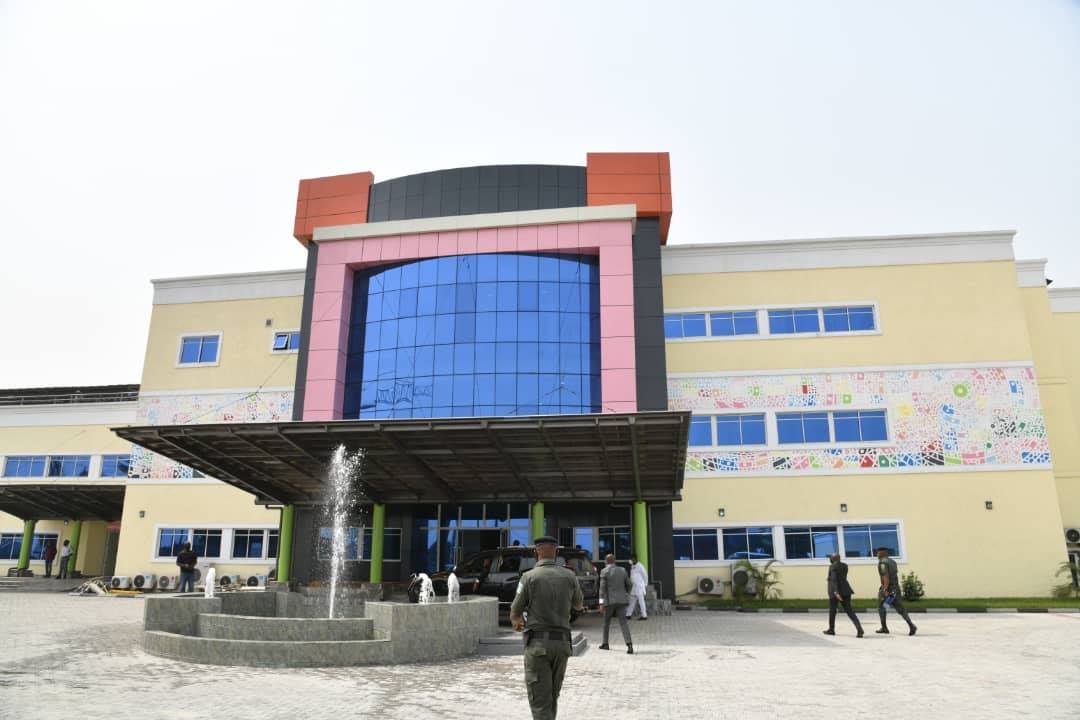
The governor made the accusation when he led the Chief Whip of the Nigeria Senate, Senator Orji Uzor Kalu, former Minister of Works,Mike Onolememen, and other dignitaries on a project inspection tour in Port Harcourt and ObioAkpor Local Government Areas of Rivers State on Thursday.

Governor Wike said such handling of touchy issues like insecurity makes it difficult for him to partner with the Federal Government often, especially because they are not committed to solving the insecurity plaguing the country.
Otherwise, he stated, why should the Inspector General of Police grant such demand of posting a CP to compromise competence.

READ ALSO: Abductions: Negotiate With The Bandits To Rescue Kagara Boys – Shehu Sani

“There is so much insecurity in Nigeria. There are killings everywhere and they (APC) told Nigerians that they will solve the problem. But the problem is not being solved.

“They appoint Commissioner of Police (CP) based on patronage. A politician from my state will go to see the Inspector General of Police and ask him to give him a CP.

“And the IG will not post CP based on competence to fight crime but based on the fact that the man in the party says he wants so and so person.

“When the person comes, will he fight insecurity? No. That’s the problem we have in this country today. How can I partner with such a government? A government that will not do things based on competence.”

Speaking on his motivation for his commitment to quality project delivery, Governor Wike said, he is grateful to Rivers People for giving him the opportunity to superintendent over the affairs of the state.

According to him, he is giving back to the state quality service that will situate it rightly in the comity of states, and be reckoned as a destination for investments.
“Rivers people gave me an opportunity and I will not misuse or abuse that opportunity.”

Chief Whip of Senate, Senator Orji Uzor, who was fascinated at the Okoro-Nu-Odo Flyover, Rumuogba Flyover, Mother and Child Hospital, and the Real Madrid Football Academy described them as a long-term investment for the good of Rivers people.

Senator Kalu lauded Governor Wike for mobilising contractors with about 70 percent upfront payment and it is paying off as projects are completed on schedule.

“In the Senate, I proposed that contractors be paid 65 percent, but the Finance Bill went in for 15 percent of mobilization fee. Here, Governor Wike has just told us that he is paying 70 percent.

“So he is thinking in the right direction. The government should start giving contractors money upfront with a guarantee so that projects don’t get abandoned, because you go all over the states of Nigeria and you will see a lot of abandoned projects.

He described the Okoro-Nu-Odo flyover as a long-time investment that speaks for itself and Governor Wike is not only talking but is also working on the ground.

” Look at the people, they are very happy to see their governor. Any leader that cannot be seen by his people is not a good leader.

“What we are seeing here(Rumuogba flyover), is the longest flyover in Nigeria apart from Third Mainland Bridge and Oluko in Benue State which are bridges. I have just walked on this that is up-to one point four kilometers.”

On his part, former Minister of Works, Mr. Mike Onolememen described the flyover projects as rare kinds and difficult to find anywhere in the country
He said all the projects including the Mother and Child Hospital are quality infrastructure that are adding to the urban landscape of the State.


 

By admin

You missed

From Tramadol to Canadian to Exol-5 The New Drug Destroying Nigerian Youths An Investigative Article .From Tramadol to Canadian to Exol-5: The New Drug Destroying Nigerian Youths An Investigative Report on the Shifting Landscape of Substance Abuse in Nigeria Nigeria faces a severe and evolving drug crisis, particularly among its youth. What began with the widespread abuse of Tramadol has progressed through mixtures like “Canadian” to newer pharmaceutical diversions such as Exol-5. This shift reflects deeper issues: easy access to prescription drugs, weak regulation, socioeconomic pressures, and aggressive street-level marketing. NDLEA operations and health studies reveal a public health emergency that threatens an entire generation. Phase 1: The Tramadol Epidemic (2010s–Early 2020s) Tramadol, a synthetic opioid prescribed for moderate to severe pain, became Nigeria’s most notorious street drug. Cheap, potent, and widely smuggled (often from India and other Asian countries), it offered users energy, euphoria, and pain relief — appealing to commercial drivers, laborers, students, and young men seeking confidence or stamina. Scale of the Problem: Millions of tablets seized annually by NDLEA. High prevalence among young males aged 15–35. Linked to increased crime, sexual violence, organ damage (kidney failure, seizures), and mental health breakdowns. Contributed to broader opioid misuse alongside codeine cough syrups. Government responses included tighter import controls and public awareness campaigns, but these only displaced demand to other substances rather than eliminating it. Phase 2: The Rise of “Canadian” (Mid-2020s) “Canadian” or “Canadian Loud” emerged as a popular code for high-grade cannabis (often indica-dominant strains) or cannabis mixed with other synthetics. It gained traction as users sought alternatives or combinations to Tramadol’s effects. This phase marked a move toward imported or locally cultivated premium weed, sometimes laced with stronger chemicals. Youths in urban centers like Lagos, Kano, Jos, and Onitsha embraced it for its perceived “cleaner” high compared to opioids. However, it fueled polydrug use — combining cannabis with opioids, sedatives, or alcohol — amplifying health risks. Phase 3: Exol-5 – The Current Threat (2024–2026) Exol-5 (Benzhexol Hydrochloride / Trihexyphenidyl 5mg), originally a prescription medication for Parkinson’s disease and drug-induced movement disorders, has become the latest pharmaceutical being heavily abused. Why Exol-5? Euphoric Effects: Users report intense euphoria, hallucinations, and a sense of detachment — making it attractive as a cheap “upper” or escape. Accessibility: Sold over-the-counter or on the black market despite being a controlled prescription drug. NDLEA has seized millions of pills in single operations (e.g., 3.1 million pills in Kano in late 2024, and over 5.6 million combined with Tramadol in other busts). Street Names: Exol, Artane, Benzhexol, “Farin Mallam” (in Northern Nigeria). Demographics: Prevalent among youths, laborers, and even psychiatric patients who divert prescriptions. Studies show abuse rates as high as 25% among certain outpatient groups. Health Consequences: Anticholinergic toxicity: Confusion, dry mouth, blurred vision, urinary retention, constipation, and in high doses — delirium, psychosis, seizures, and heart issues. Long-term: Cognitive impairment, addiction, exacerbated mental health disorders. Often mixed with Tramadol, codeine, or cannabis, creating dangerous synergies. In cities like Jos, Exol-5 sits alongside diazepam, Rohypnol, and Tramadol on street markets, easily available to teenagers and young adults. Why This Evolution Continues Supply-Side Failures: Porous borders, corrupt officials, and overproduction of pharmaceuticals enable diversion. Demand Drivers: Unemployment, poverty, peer pressure, trauma, and the pursuit of performance enhancement (e.g., for “hustle” culture). Weak Regulation: Many pharmacies sell restricted drugs without prescriptions. Online and street vendors fill gaps. Displacement Effect: Cracking down on one substance (Tramadol/codeine) pushes users and dealers toward the next available option. NDLEA reports ongoing large seizures, but the problem persists due to high profitability and low risk for mid-level distributors. Broader Impacts on Nigerian Youths Education: Increased dropout rates and poor academic performance. Mental Health: Rising cases of psychosis and depression. Economy: Lost productivity among the working-age population. Crime and Violence: Drug-fueled robberies, cultism, and family breakdowns. Public Health System Strain: Overburdened hospitals treating overdoses and chronic complications. Young people aged 15–39 remain the hardest hit, with national surveys showing drug use prevalence significantly above global averages. What Must Be Done Stronger Enforcement: Consistent prosecution of corrupt enablers and large-scale traffickers. Regulation: Crackdown on rogue pharmacies and better tracking of prescription drugs. Prevention & Rehabilitation: School programs, community outreach, and expanded treatment centers (currently woefully inadequate). Economic Alternatives: Address root causes like youth unemployment. Public Awareness: Honest campaigns highlighting real dangers of “Exol-5” and similar drugs. Conclusion From Tramadol’s opioid grip to “Canadian” cannabis culture and now Exol-5’s anticholinergic highs, Nigeria’s drug crisis is mutating faster than responses can contain it. Exol-5 represents the dangerous new frontier — a legitimate medicine turned youth destroyer due to misuse and greed. Without urgent, multi-layered intervention — combining supply disruption, demand reduction, and socioeconomic support — an entire generation risks being lost to addiction. The time for half-measures is over. Nigeria’s future depends on winning this fight.