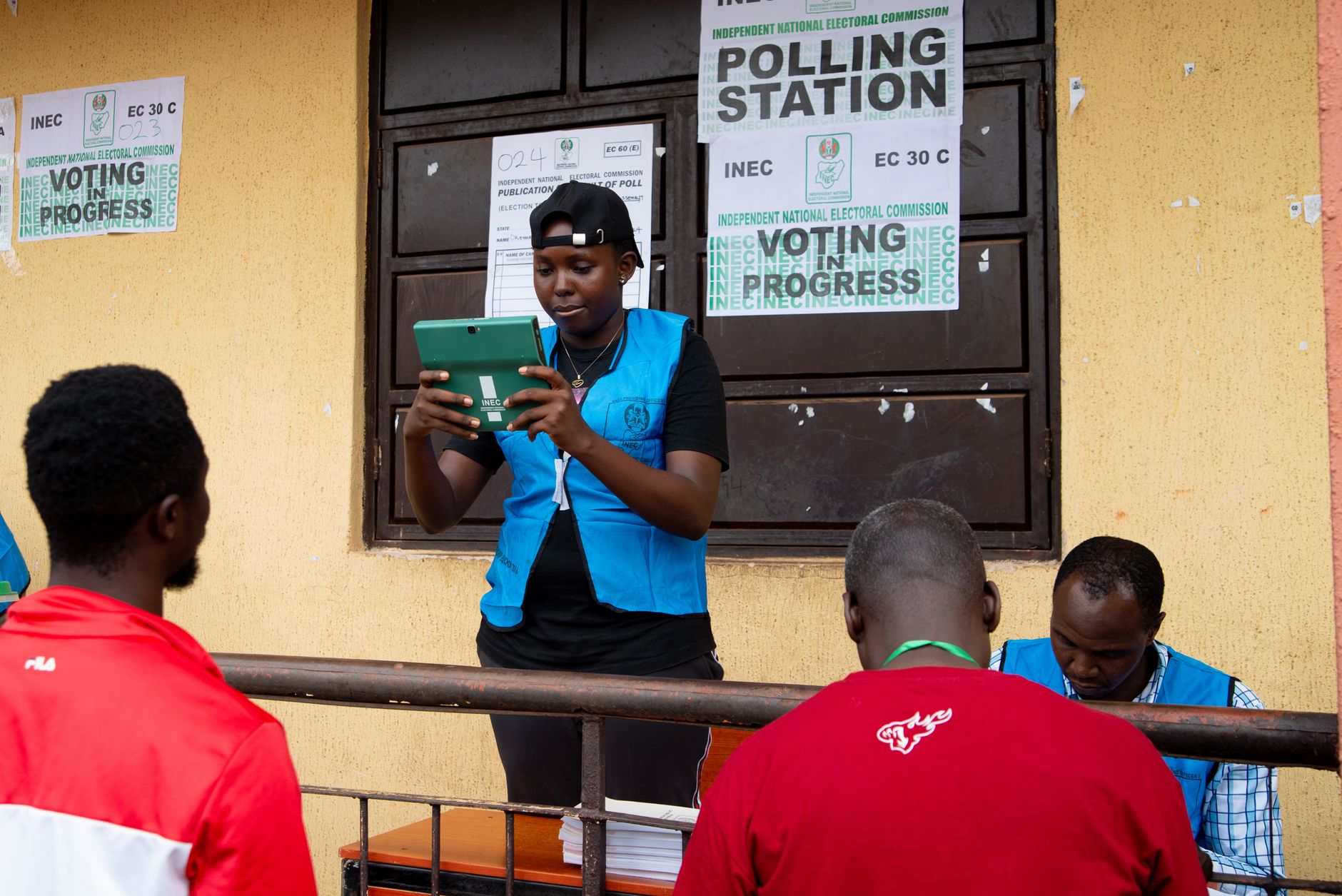
With exactly three months remaining until Nigeria’s next general elections, the Independent National Electoral Commission has failed to make the provisional voter register accessible on its official portal, breaching the statutory cut-off set for Sunday, October 18.
Although the electoral body had scheduled the review window to span October 9 through October 15, visitors to the portal were met with an empty database. Days after that scheduled timeframe lapsed, the site still displayed a placeholder notice informing users that no records were available for viewing.
The October 18 milestone is significant because it marks precisely 90 days ahead of the presidential and parliamentary balloting slated for January 16, 2027.
Under Section 19(1) of the Electoral Act 2026, the commission is legally mandated to set aside a full week for public examination of the preliminary roll no later than 90 days before nationwide elections. This review must happen across all local wards and registration centres, as well as on INEC’s web platforms.
The review phase is designed to give the electorate an opportunity to verify personal information, rectify spelling errors, and challenge the presence of unqualified individuals on the roll. Ahead of the deadline, resident commissioners across multiple states, including Plateau, Sokoto, and Taraba, had publicized the October 9–15 timetable.
The digital blackout mirrors hurdles observed during the in-person display exercise. Media coverage by Arise News highlighted significant barriers in Lagos State’s Alimosho area, where citizens were reportedly permitted to inspect only their individual records rather than having full, transparent access to the lists. The outlet also observed an unstaffed center at a designated verification venue on the final afternoon of the exercise.
While INEC’s Lagos branch firmly rejected those findings—maintaining that the roll was properly showcased across all 245 wards—the digital lapse remains unresolved.
The governing legislation outlines severe consequences for noncompliance. According to Section 19(5) of the Electoral Act 2026, any commission staff member or official who neglects to exhibit or upload the roll as instructed faces potential criminal liability, carrying a penalty of up to six months’ imprisonment, a N100,000 fine, or both.
Furthermore, Section 19(2) allows citizens a two-week window following publication to register formal petitions, lodge protests against fraudulent entries, and seek corrections. With the portal inactive, numerous eligible voters unable to physically visit local ward centres remain effectively shut out from verifying their voting eligibility.
