
Part 1: 2026 Fact-Check of the U.S. Career Institute Article
The original U.S. Career Institute article, heavily reliant on older Bureau of Labor Statistics (BLS) data and pre-Generative AI paradigms, published a list of 65 jobs with a claimed “0% automation risk.” Evaluating this premise reveals several fundamental flaws due to the rapid evolution of multimodal generative AI, agentic AI workflows, and next-generation physical robotics:
-
The “Creativity Immunity” Myth is Broken: The original list placed Choreographers (#2), Set and Exhibit Designers (#37), and Interior Designers (#61) in the absolute safe zone under the assumption that AI cannot replicate creative expression. Multimodal text-to-video models can generate intricate spatial choreography, while advanced AI architectural engines can output fully rendered 3D interior blueprints in seconds. While human oversight is mandatory, the sheer volume of human labor required has shrunk, meaning these jobs are no longer at “0% risk.”
-
The Administrative Erosion of “Safe” Roles: The original list designated roles like Education Administrators (#39) and Health-Care Social Workers (#14) as completely un-automatable. Agentic AI workflows can now automate up to 75% of administrative tasks, including compliance reporting, intake triage, scheduling, and standard documentation. The human element survives, but the reduction in administrative friction means a smaller headcount can manage larger workloads.
-
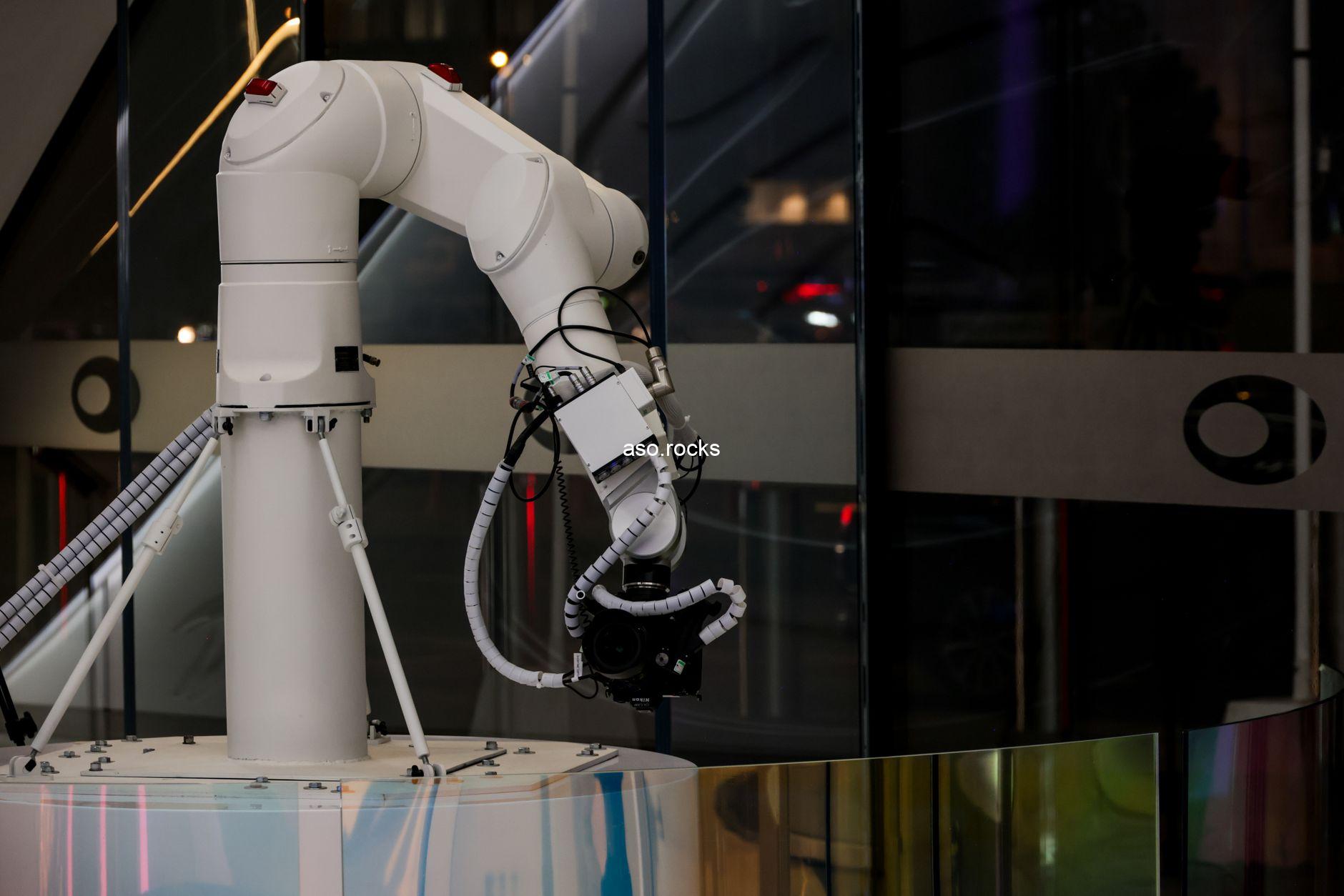
The Physical Robotics Leap: The original article placed Manufactured Building and Mobile Home Installers (#65) at the bottom of the list solely due to low industry growth, yet assigned them a 0% automation risk. Humanoid and industrial robots equipped with spatial computing have heavily automated repetitive, predictable assembly environments, including modular housing construction.
-
The “Zero Percent” Fallacy: In the contemporary landscape, no job features a 0% automation risk. Instead, jobs are augmented. For instance, while a Nurse Practitioner or Physician Assistant cannot be replaced due to physical dexterity, legal accountability, and empathy, their diagnosing and charting processes are heavily AI-driven.
Part 2: The 2026 Rewrite
The Human-Centric Economy: Top Careers with the Lowest Risk of AI and Robot Automation
As generative AI, autonomous agents, and spatial computing redefine the global labor market, the concept of an “AI-proof” job has fundamentally changed. The old assumption that white-collar “creative” work or standard administrative management was safe has been upended by multimodal large language models.
True career resilience lies in The Human-Centric Matrix: professions that require an irreplaceable mix of high-tactility manual dexterity, rapid real-world troubleshooting, deep emotional empathy, and legally binding human accountability.
Resilient careers are defined by four core pillars, followed by an updated outlook on the safest, high-growth occupations.
The 4 Pillars of AI Resistance
-
Unpredictable Physical Environments: AI thrives in predictable environments (like digital spreadsheets or fixed assembly lines). It struggles in chaotic, non-routine physical spaces, making skilled trades and emergency response highly resilient.
-
High-Tactility & Clinical Dexterity: Complex physical interactions—such as manipulating human tissue during surgery or retrofitting ancient plumbing—require fine-motor skills that robotics still struggle to replicate affordably.
-
Legal and Regulatory Accountability: A machine cannot carry legal liability. Careers that require a human to sign off on medical diagnoses, structural integrity, or public safety remain structurally protected.
-
Deep Empathy & Radical Human Connection: While AI can simulate conversation, humans still demand real human connection for high-stakes scenarios, such as trauma counseling, palliative care, and acute crisis management.
Top High-Growth, Low-Risk Occupations
The following select occupations combine robust projected growth with high resistance to automation.
Sectors to Watch: The Shift from “Safe” to “Augmented”
1. Healthcare (The Highest Resilience)
Healthcare remains the premier safe haven for human employment. While AI models process diagnostic scans and draft patient charts with immense accuracy, the actual execution of care—injecting a needle, comforting a grieving family, adjusting a physical brace, or performing physical triage—requires human hands and human hearts.
2. The Skilled Trades (The New Tech Workers)
For years, students were nudged away from vocational work toward digital desks. The current paradigm has flipped that dynamic. A desk job consisting of data synthesis or basic software coding is highly vulnerable to AI automation. Conversely, an HVAC technician, commercial electrician, or master plumber faces virtually zero risk of automation, as the physical infrastructure of the world requires manual intervention.
3. High-Tier Accountability Roles
Jobs like Emergency Management Directors or First-Line Police/Fire Supervisors are secure because society requires human accountability when lives are on the line. When disaster strikes, a computer algorithm cannot be held legally or morally responsible for resource allocation or evacuation orders.
The Strategy for Career Planning
When mapping out an educational or career path, do not ask, “Can an AI do a piece of this job?”—because the answer is almost always yes. Instead, ask: “Does this job require a human to take the blame, navigate physical chaos, or touch someone’s life?” If it does, your career is secure.