Mon. May 25th, 2026
Spread the love

Every single business day, I get dragged into the catalyst discussion. If it’s not from a client who is vehemently clamouring that the potential purchase must possess one, it is from an “engineer” who has refused to be called mechanic, and who does not seem to understand the basic function of what he chose to defend with his life as a fuel saver.
This discussion, as I see it is, is gradually becoming a vortex, and I refuse to be sucked into it. But, for the sake of knowledge, I’ll indulge us once again.
I’ve heard people say it’s all theory to claim catalyst is not responsible for the fuel saving functionality of a car, if at all there’s such a thing as fuel saving. Lol. Yes. They say it’s theory, thus, they’ll never get the thought out of their minds or let go off the belief.


So what is a catalyst?


A catalyst is a substance that increases the rate of a chemical reaction without itself undergoing any permanent chemical change. And this is according to Oxford dictionary.
The question now is, what chemical reaction in the vehicle is this substance catalysing?
Before I proceed, many times, people have likened the water vapour or steam from exhausts as a sign that the engine is Uber healthy, when Infact, the presence of vapour or steam and carbondioxide from the exhaust is an indication of a successful chemical reaction facilitated by the catalytic metals in the catalyst chamber. It has no bearing , to a large extent, on engine health. But that’s story for another day.
In one of my posts on this subject, I explained a popular phenomenon in chemistry called REDOX reaction. While some catalysts work as reduction catalysts, there are Oxidation catalysts.
Reduction catalysts basically reduce NO2- Nitrogen Oxide by breaking up the compound to just Nitrogen and oxygen , which are harmless gases as separate entities. Oxidation catalysts does the opposite of adding Oxygen to CO- Carbonmonoxide, a very harmful gas , to form Carbondioxide (co2), a more environmentally acceptable gas.
Now, inside the exhaust is an oxygen sensor. It does the work of sensing how much oxygen is found in the exhausts gases so as to relay back to the brainbox , in a reactionary Comms manner, to say, Baba, plenty oxygen dey come for this exhaust oh, try to increase the air to fuel ratio so as to save this fuel. This is entirely the work of the O2 sensor. It senses oxygen, send a message back to the ECU to either include more oxygen in the combustion chamber so as to reduce the fuel that is burned as a result. It sounds that easy because it is.
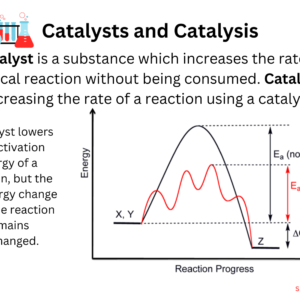
So instead of bickering over the absence of a Cat Converter , which Infact is bad because it helps reduce environmental pollution, if fuel economy is your Endgame, then the O2 sensors are the culprits you should be wary of.
That being said, today is yet another day to remind car users in Nigeria and the world over that Catalyst no be wetin de save fuel for your car.
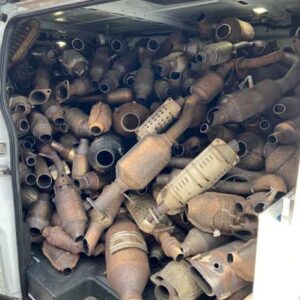
This craze for catalytic converter is the reason it’s being stolen with a craze. It’s funny, those who I believe started stealing this thing, did it with the intention of accessing the rare metals like Cadmium, Titanium, you know those metals from 21 to 30 on the periodic table especially, ehe. They use it for other purposes. But you, you don’t even have any need for it apart from stealing it from Ogechi and selling it to Maverick. I mean to what end?
So you keep propagating the falsehood because you don’t want to go out of business.
Anyway. I believe anybody who wants to learn will learn.
Good evening

By admin

You missed

From Tramadol to Canadian to Exol-5 The New Drug Destroying Nigerian Youths An Investigative Article .From Tramadol to Canadian to Exol-5: The New Drug Destroying Nigerian Youths An Investigative Report on the Shifting Landscape of Substance Abuse in Nigeria Nigeria faces a severe and evolving drug crisis, particularly among its youth. What began with the widespread abuse of Tramadol has progressed through mixtures like “Canadian” to newer pharmaceutical diversions such as Exol-5. This shift reflects deeper issues: easy access to prescription drugs, weak regulation, socioeconomic pressures, and aggressive street-level marketing. NDLEA operations and health studies reveal a public health emergency that threatens an entire generation. Phase 1: The Tramadol Epidemic (2010s–Early 2020s) Tramadol, a synthetic opioid prescribed for moderate to severe pain, became Nigeria’s most notorious street drug. Cheap, potent, and widely smuggled (often from India and other Asian countries), it offered users energy, euphoria, and pain relief — appealing to commercial drivers, laborers, students, and young men seeking confidence or stamina. Scale of the Problem: Millions of tablets seized annually by NDLEA. High prevalence among young males aged 15–35. Linked to increased crime, sexual violence, organ damage (kidney failure, seizures), and mental health breakdowns. Contributed to broader opioid misuse alongside codeine cough syrups. Government responses included tighter import controls and public awareness campaigns, but these only displaced demand to other substances rather than eliminating it. Phase 2: The Rise of “Canadian” (Mid-2020s) “Canadian” or “Canadian Loud” emerged as a popular code for high-grade cannabis (often indica-dominant strains) or cannabis mixed with other synthetics. It gained traction as users sought alternatives or combinations to Tramadol’s effects. This phase marked a move toward imported or locally cultivated premium weed, sometimes laced with stronger chemicals. Youths in urban centers like Lagos, Kano, Jos, and Onitsha embraced it for its perceived “cleaner” high compared to opioids. However, it fueled polydrug use — combining cannabis with opioids, sedatives, or alcohol — amplifying health risks. Phase 3: Exol-5 – The Current Threat (2024–2026) Exol-5 (Benzhexol Hydrochloride / Trihexyphenidyl 5mg), originally a prescription medication for Parkinson’s disease and drug-induced movement disorders, has become the latest pharmaceutical being heavily abused. Why Exol-5? Euphoric Effects: Users report intense euphoria, hallucinations, and a sense of detachment — making it attractive as a cheap “upper” or escape. Accessibility: Sold over-the-counter or on the black market despite being a controlled prescription drug. NDLEA has seized millions of pills in single operations (e.g., 3.1 million pills in Kano in late 2024, and over 5.6 million combined with Tramadol in other busts). Street Names: Exol, Artane, Benzhexol, “Farin Mallam” (in Northern Nigeria). Demographics: Prevalent among youths, laborers, and even psychiatric patients who divert prescriptions. Studies show abuse rates as high as 25% among certain outpatient groups. Health Consequences: Anticholinergic toxicity: Confusion, dry mouth, blurred vision, urinary retention, constipation, and in high doses — delirium, psychosis, seizures, and heart issues. Long-term: Cognitive impairment, addiction, exacerbated mental health disorders. Often mixed with Tramadol, codeine, or cannabis, creating dangerous synergies. In cities like Jos, Exol-5 sits alongside diazepam, Rohypnol, and Tramadol on street markets, easily available to teenagers and young adults. Why This Evolution Continues Supply-Side Failures: Porous borders, corrupt officials, and overproduction of pharmaceuticals enable diversion. Demand Drivers: Unemployment, poverty, peer pressure, trauma, and the pursuit of performance enhancement (e.g., for “hustle” culture). Weak Regulation: Many pharmacies sell restricted drugs without prescriptions. Online and street vendors fill gaps. Displacement Effect: Cracking down on one substance (Tramadol/codeine) pushes users and dealers toward the next available option. NDLEA reports ongoing large seizures, but the problem persists due to high profitability and low risk for mid-level distributors. Broader Impacts on Nigerian Youths Education: Increased dropout rates and poor academic performance. Mental Health: Rising cases of psychosis and depression. Economy: Lost productivity among the working-age population. Crime and Violence: Drug-fueled robberies, cultism, and family breakdowns. Public Health System Strain: Overburdened hospitals treating overdoses and chronic complications. Young people aged 15–39 remain the hardest hit, with national surveys showing drug use prevalence significantly above global averages. What Must Be Done Stronger Enforcement: Consistent prosecution of corrupt enablers and large-scale traffickers. Regulation: Crackdown on rogue pharmacies and better tracking of prescription drugs. Prevention & Rehabilitation: School programs, community outreach, and expanded treatment centers (currently woefully inadequate). Economic Alternatives: Address root causes like youth unemployment. Public Awareness: Honest campaigns highlighting real dangers of “Exol-5” and similar drugs. Conclusion From Tramadol’s opioid grip to “Canadian” cannabis culture and now Exol-5’s anticholinergic highs, Nigeria’s drug crisis is mutating faster than responses can contain it. Exol-5 represents the dangerous new frontier — a legitimate medicine turned youth destroyer due to misuse and greed. Without urgent, multi-layered intervention — combining supply disruption, demand reduction, and socioeconomic support — an entire generation risks being lost to addiction. The time for half-measures is over. Nigeria’s future depends on winning this fight.